

Sell a House With Water Damage Without Repairs
A leaking roof, burst pipe, flooded crawlspace, storm leak, or long-term moisture problem can turn a normal house into a stressful project fast. What starts as a stain on the ceiling may lead to damaged drywall, soft flooring, mold concerns, electrical questions, or structural repairs.
That is why many homeowners ask the same question early in the process:
“Do I have to repair water damage before selling my house?”
Not necessarily.
You may be able to sell the property as-is, even if the damage is visible, expensive, or still needs professional evaluation. The key is understanding what the damage may involve, what repairs might really cost, and whether fixing the home before selling makes financial sense.
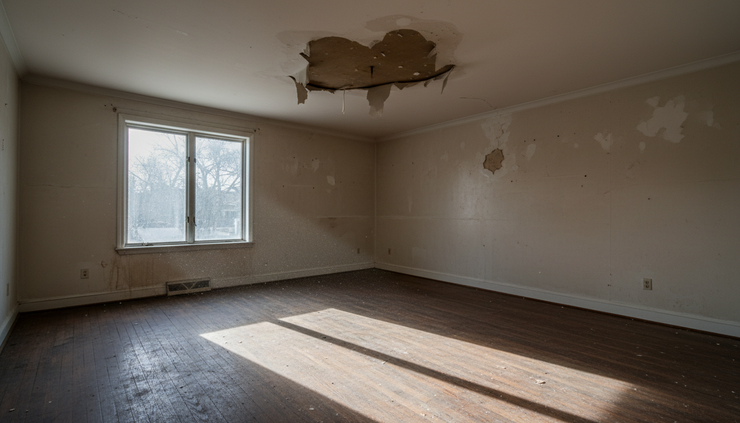
Water damage can affect more than what you see
Water damage rarely stays neatly contained. A wall stain, warped floorboard, or musty smell may be the visible part of a larger issue.
A homeowner might notice one obvious problem, such as wet carpet after a pipe leak. Behind that, there may be moisture in the subfloor, damaged baseboards, mold growth inside wall cavities, or electrical components that need inspection.
Common water-related issues can include:
Damaged drywall
Flooring damage
Rot around framing, trim, or subfloors
Electrical concerns
Crawlspace moisture
Foundation or structural deterioration
Mold or mildew growth
Roof decking damage
Insulation that has absorbed moisture
Odors that return after cleaning
Some problems are cosmetic. Others affect safety, habitability, or the buyer’s ability to get financing. A freshly painted wall may look better for a short time, but paint does not solve trapped moisture or hidden mold.
That is why severity matters. A small, fully repaired sink leak is different from years of roof seepage or standing water in a crawlspace.
If the source and extent are unclear, a licensed contractor, mold professional, home inspector, roofer, plumber, electrician, or structural specialist may need to evaluate the property. The right expert depends on the problem. A roof leak needs a different professional than a foundation drainage issue or mold concern.
This article is for general information only. Selling a property with known damage can involve legal, financial, safety, and disclosure issues, so professional guidance may be needed for your specific situation.
Repairing before selling should come down to the numbers
Many sellers assume they must spend thousands of dollars on remediation before they can list or sell. That is not always true.
Before paying for major repairs, compare two possible paths:
Repair first
Sell as-is
You pay for cleanup, remediation, repairs, inspections, and possible delays before selling.
The buyer takes the property in its current condition, and the repair responsibility shifts after closing.
The right choice depends on the repair cost, the home’s likely value after repairs, your timeline, and the type of buyer you expect to attract.
For example, imagine a house with water-damaged flooring, stained drywall, and a crawlspace moisture issue. A contractor may quote cleanup, repairs, mold treatment, flooring replacement, and crawlspace work. That quote may be only the starting point. If crews open walls or floors and find more problems, the cost can grow.
Now compare that to the potential return.
Ask questions like:
Will the repairs increase the sale price enough to justify the cost?
Will the work create delays that cost more money?
Could the repair project reveal more damage?
Will a retail buyer still worry about the home’s history even after repairs?
Do you have the time and energy to manage contractors?
Can you afford upfront costs before closing?
A repair that costs $20,000 does not automatically add $20,000 to the sale price. In some cases, repairs are needed to attract traditional buyers. In other cases, the seller spends heavily and still faces buyer objections during inspection.
The goal is not to avoid every repair. The goal is to avoid starting an expensive project without knowing whether it helps.
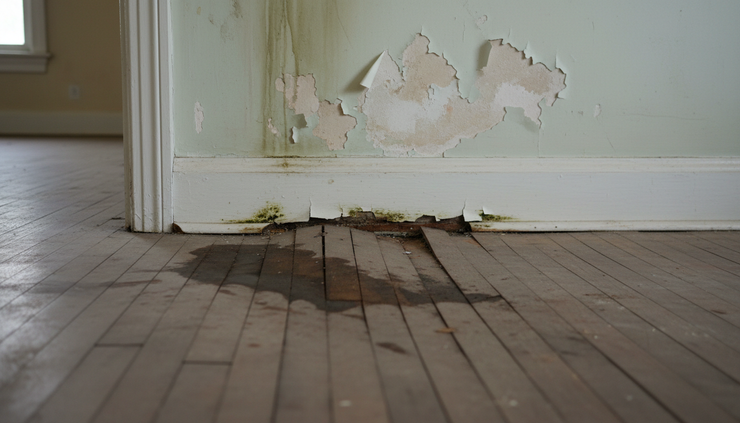
Selling as-is can be a practical option
Selling as-is means the seller is not agreeing to complete repairs before closing. The buyer understands that the property may need work and prices that into the offer.
This can be especially useful when the damage is extensive or uncertain. Instead of becoming the person responsible for bids, permits, cleanup, inspections, materials, delays, and contractor scheduling, you can let the buyer handle the renovation after closing.
This route often appeals to investors, rehab buyers, and companies that regularly purchase damaged properties. An investor experienced with renovation projects may be willing to buy a house with:
Active or past roof leaks
Water-damaged drywall
Mold concerns
Flooded basements or crawlspaces
Damaged flooring
Plumbing leaks
Rot or soft subfloors
Storm damage
Fire and water cleanup needs
Deferred maintenance connected to moisture
Traditional retail buyers often want a home that feels move-in ready. Their lenders and insurance providers may also require certain repairs before closing. That can make water or mold damage a bigger obstacle in a standard sale.
As-is buyers usually look at the property differently. They focus on the after-repair potential, the cost of the work, and whether the project fits their renovation plan.
That does not mean every damaged house will receive the same offer. The offer will reflect the property’s condition, repair risk, location, market demand, and resale potential. Still, the property may have real value even if it looks rough today.
If your goal is to sell house with water damage without taking on a major repair project, an as-is sale may be worth comparing against a traditional listing.
Known problems still matter when selling as-is
As-is does not mean “no questions asked.” It also does not automatically remove disclosure obligations.
Most states have rules about what sellers must disclose, and those rules vary. Known water intrusion, mold issues, flooding, roof leaks, foundation moisture, or prior repairs may need to be disclosed depending on state law and the details of the sale.
Trying to hide known damage can create serious problems. It can also slow down or break a deal if the buyer discovers the issue later during inspections.
A stronger approach is to be clear about what you know and what you do not know.
Helpful information may include:
When the water damage happened
Whether the source of water has been repaired
Any insurance claim records
Contractor estimates
Mold or moisture inspection reports
Photos of damage before partial cleanup
Receipts for completed work
Notes about recurring leaks or drainage problems
If you do not know the full extent, avoid guessing. Say what you know, and let the buyer inspect.
Professional guidance can help here. A real estate attorney, licensed agent, inspector, or other qualified professional can explain what disclosure rules apply in your area.
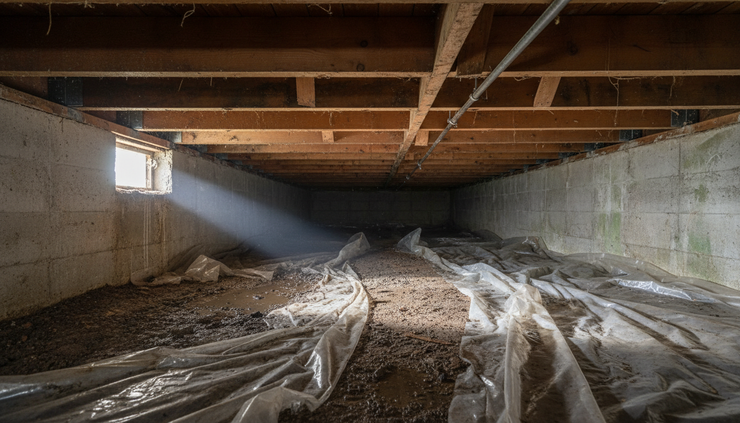
Mold damage needs careful handling
Mold adds another layer of concern because it can affect both property condition and buyer comfort. Mold can appear after a sudden leak, but it can also develop from long-term moisture, poor ventilation, drainage problems, or humidity.
Visible mold may show up on drywall, trim, basement walls, attic sheathing, or around windows. Sometimes the bigger issue is hidden behind walls, under flooring, or in insulation.
If mold is suspected, cleanup should be handled carefully. Scrubbing a visible patch may not address the moisture source. If the source remains, mold can return. In larger or more complex situations, professional mold assessment or remediation may be appropriate.
Before spending heavily, ask for written estimates and make sure they explain the scope clearly. A vague estimate can make it hard to compare options.
Look for details such as:
What areas will be treated or removed
Whether containment is included
Which materials will be replaced
Whether moisture correction is part of the work
Whether post-remediation testing is included
What repairs are excluded from the quote
A mold remediation quote may not include rebuilding drywall, replacing flooring, fixing the roof, or solving drainage issues. That is where sellers can underestimate total cost.
If several trades are involved, the project may require sequencing. A roofer may need to stop the leak before interior repairs. A plumber may need to fix a pipe before drywall is replaced. A crawlspace contractor may need to correct moisture before flooring work makes sense.
That coordination takes time, money, and attention. Some sellers would rather avoid that process and sell the house in its current condition.
Get realistic estimates before spending thousands
Before deciding, gather enough information to compare your options. You do not need to solve every problem first, but you do need a realistic view of what the problems may cost.
Start with the source of the water. If the source is still active, repairs may keep expanding. A damaged roof, leaking pipe, poor grading, clogged gutters, failed sump pump, or crawlspace moisture issue can continue causing damage until corrected.
Next, separate cleanup from repair. These are often different costs.
Cleanup may include removing wet materials, drying affected areas, treating mold, or disposing of damaged belongings. Repairs may include drywall, paint, trim, flooring, electrical work, framing, roofing, plumbing, or crawlspace improvements.
Then consider selling costs and time. A traditional listing may involve staging, showings, inspections, buyer repair requests, lender requirements, and possible financing delays. An as-is investor sale may involve a lower price, but fewer repair responsibilities.
Here is a simple way to think through the choice:
Question | Why it matters |
How much will repairs really cost? | Initial quotes may not include hidden damage or rebuild work. |
How much value will repairs add? | Repair cost and resale value do not always rise equally. |
How long will the work take? | Delays can add carrying costs, stress, and uncertainty. |
Who is the likely buyer? | Retail buyers and investors evaluate damaged homes differently. |
What risk remains after repairs? | Past water damage may still concern buyers during inspection. |
If the numbers favor repairing, that may be the right move. If the project is too expensive, too uncertain, or too time-consuming, selling as-is may be the better path.
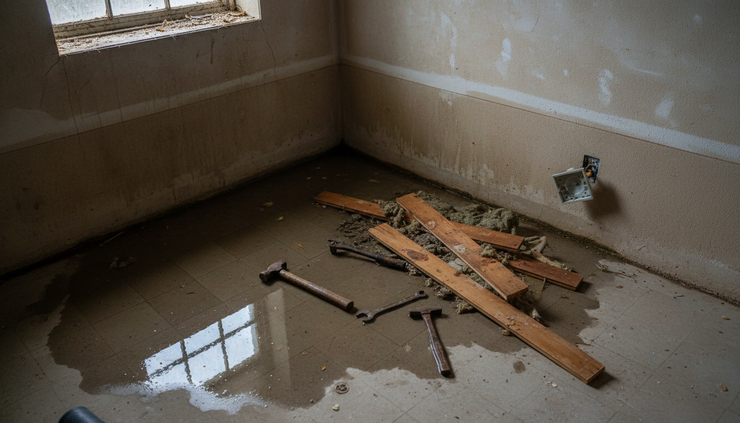
Your damaged property may still have value
Water damage can feel overwhelming, especially when the house needs more than one type of repair. Mold concerns, damaged floors, wet crawlspaces, and roof leaks can make a property feel unsellable.
That is often not true.
A property can still have value because of its location, layout, lot, structure, rental potential, resale potential, or renovation opportunity. Buyers who specialize in damaged homes may see a project where a traditional buyer sees only risk.
Jacobs & Jacobs Properties LLC actively looks for properties where renovation can create value. That includes homes with water damage, mold concerns, storm damage, deferred maintenance, and other repair-heavy situations.
If you are unsure whether to repair first or sell as-is, start by looking at the house as it sits today. Get honest numbers. Understand the likely scope. Compare the cost of remediation against the value of moving on without managing the work yourself.
Spending thousands on repairs can make sense in some cases. In others, it only adds cost, delay, and stress before the sale.
Show Jacobs & Jacobs Properties LLC your property as it sits today, even if it needs extensive work. The damage may be serious, but that does not mean the house has no path forward.


Comments