

Renovating Before Selling Pros and Cons Should You Invest in Upgrades or Sell As-Is
- jacobsandjacobspro
- Aug 24
- 4 min read
Deciding whether to renovate before selling a home can be a tough choice. Homeowners often wonder if investing in upgrades will increase home value enough to cover the costs or if selling the house as-is might be the smarter financial move. This article breaks down the pros and cons of common renovation projects, helping you understand which improvements typically offer strong home improvement ROI and which might not pay off. Whether you’re a motivated seller, senior, landlord, or inherited property owner, this guide will help you make an informed decision.

Kitchen Renovations
The kitchen is often the heart of the home and a key selling point. Renovating before selling can make a big difference, but not all kitchen upgrades deliver the same return.
Pros:
Updated kitchens attract buyers and can increase home value by 60-80% of the renovation cost.
Replacing outdated appliances, installing new countertops, or repainting cabinets can modernize the space without a full remodel.
Small upgrades like new hardware or lighting fixtures are relatively low cost but improve appeal.
Cons:
Full kitchen remodels can be expensive and sometimes cost more than they add in value, especially if the style is too personalized.
Over-improving the kitchen compared to other homes in the neighborhood may not yield a strong return.
Time-consuming projects can delay your sale.
Tip: Focus on cosmetic updates and repairs rather than luxury finishes. For example, replacing old laminate countertops with quartz can add value, but installing high-end custom cabinetry might not.
Bathroom Upgrades
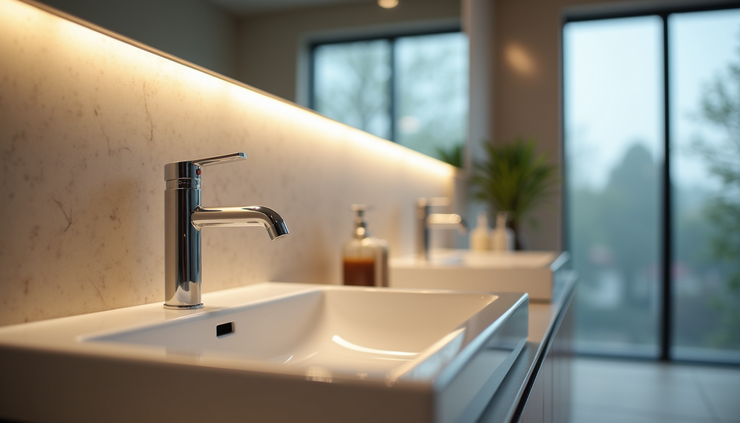
Bathrooms are another critical area for buyers. Clean, functional bathrooms often sell homes faster.
Pros:
Minor bathroom renovations like new fixtures, fresh grout, and updated vanities often generate a good home improvement ROI.
Adding a second bathroom or converting a half bath to a full bath can significantly increase home value.
New flooring and modern lighting improve the overall impression.
Cons:
Extensive bathroom remodels with luxury features may not recoup the full cost.
Plumbing work can be costly and complicated, especially in older homes.
Over-customizing bathrooms can limit appeal to a broader buyer pool.
Tip: Focus on cleanliness and functionality. A fresh coat of paint, new faucets, and updated mirrors can make a big difference without breaking the bank.
Flooring Improvements
Flooring impacts the look and feel of a home. Choosing the right flooring upgrades can help increase home value.
Pros:
Replacing worn carpet or damaged hardwood floors with new hardwood or quality laminate often offers strong ROI.
Clean, neutral flooring appeals to most buyers.
Refinishing existing hardwood floors is usually less expensive than replacement and can refresh the space.
Cons:
High-end flooring materials like marble or exotic hardwoods may not add proportional value.
Installing carpet in high-traffic areas can be a turnoff for some buyers.
DIY flooring projects can lead to uneven results that hurt resale value.
Tip: Choose durable, neutral flooring that fits the style of the home and neighborhood. Avoid overly trendy options that might not appeal to everyone.
Paint and Wall Treatments
Painting is one of the most cost-effective ways to improve a home’s appearance.
Pros:
Fresh paint in neutral colors brightens rooms and appeals to a wide range of buyers.
Painting is relatively inexpensive and quick.
It can cover minor imperfections and make the home feel well-maintained.
Cons:
Bold or unusual colors may turn off buyers.
Painting alone won’t fix underlying issues like water damage or cracks.
Overdoing wall treatments like wallpaper or textured finishes can limit appeal.
Tip: Stick to light, neutral tones like soft grays, beiges, or whites. These colors help buyers envision their own style in the space.
Roofing and HVAC Systems
Major systems like roofing and HVAC can influence buyer confidence and home value.
Pros:
Replacing an old or damaged roof can increase home value and prevent inspection issues.
A new HVAC system improves energy efficiency and comfort, which buyers appreciate.
These upgrades can reduce negotiation points during the sale.
Cons:
These projects are expensive and may not add full value back in the sale price.
If the systems are still functional, buyers may accept the home as-is or negotiate a price reduction.
Timing is important; starting these projects too close to listing can delay the sale.
Tip: Get professional inspections before deciding. If repairs are minor, consider selling as-is and disclosing the condition to buyers or cash buyers.

Curb Appeal Improvements
First impressions matter. Curb appeal can influence whether buyers want to see the inside of your home.
Pros:
Simple landscaping, fresh mulch, and clean walkways can boost curb appeal at low cost.
Painting the front door and updating exterior lighting create a welcoming look.
Well-maintained lawns and trimmed bushes signal a cared-for home.
Cons:
Large landscaping projects or expensive exterior renovations may not add enough value to justify the cost.
Overly elaborate designs might not suit neighborhood styles.
Neglecting maintenance can hurt curb appeal more than lack of upgrades.
Tip: Focus on clean, tidy, and inviting outdoor spaces. Small improvements often have the biggest impact.
When Selling As-Is Makes Sense
Not every homeowner should renovate before selling. Sometimes selling the house as-is is the better financial decision.
If the home needs extensive repairs, the upfront cost of renovations might exceed potential value gains.
Motivated sellers needing a quick sale may benefit from cash buyers who purchase as-is.
Seniors or inherited property owners might prefer to avoid the hassle and expense of upgrades.
Landlords with rental properties might find selling as-is more efficient than costly renovations.
Selling as-is means pricing the home accordingly and being transparent about its condition. This approach can attract buyers looking for a project or investors.
Renovating before selling can increase home value and attract buyers, but not all projects pay off equally. Kitchens and bathrooms often offer strong returns when updated thoughtfully. Flooring and paint provide cost-effective improvements that refresh the home’s look. Major systems like roofing and HVAC add value but come with high costs. Curb appeal matters and can be improved with simple, affordable steps.
If renovation costs are too high or time is short, selling the house as-is to a cash buyer or investor may be the best option. Carefully weigh the potential home improvement ROI against your budget, timeline, and goals. This approach helps you make a clear, confident choice that fits your situation.
Start by getting a professional home inspection and market analysis. Then decide if targeted upgrades or selling as-is will help you reach your selling goals faster and with less stress.


Comments