

Expired Home Listing What to Do Next
Your house was listed. Weeks passed. Buyers came through. Maybe someone said they liked it, or even made an offer.
Then nothing closed.
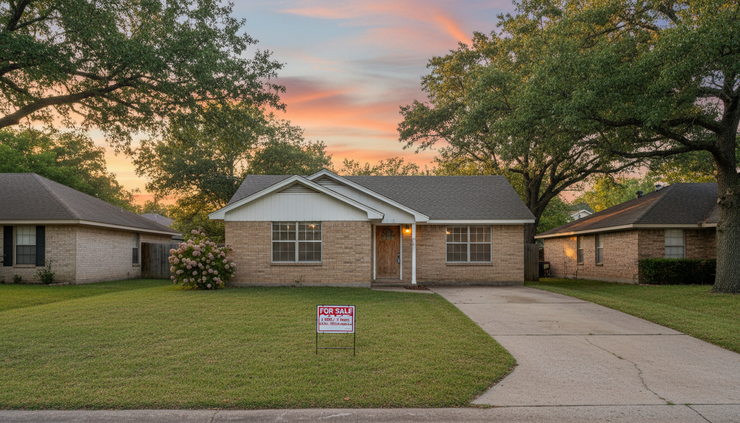
Now the listing period is over, the sign may be coming down, and the question is simple: what happens now?
An expired listing can feel personal, but it usually comes down to strategy, timing, price, condition, or buyer fit. Before you relist, rent, repair, or sell another way, take a clear look at what went wrong and what options are still on the table.
This article is for general information only. Selling a home can involve legal, tax, and financial decisions, so speak with qualified professionals before making a final choice.
Start by finding out why the house did not sell
The first step is not picking a new price or calling a different agent. The first step is diagnosis.
If the home did not sell, something blocked the sale. That does not mean the property is bad. It means the market did not respond well enough under the last plan.
Common reasons include:
The asking price was too high for current buyer demand
The property needed repairs buyers did not want to take on
The listing photos or description did not present the home well
Showings were limited or difficult to schedule
The location narrowed the buyer pool
The home had inspection issues
A buyer’s financing fell through
The market slowed during the listing period
Similar nearby homes offered more value
Major repairs made buyers nervous
Sometimes the problem is obvious. A house listed above similar sold homes may sit with little activity. Other times, the issue hides until later. A buyer may love the house, then back out after inspection. Another may make an offer but fail to qualify for the loan.
A failed sale usually leaves clues. Look at the full pattern, not just one comment.
Ask these questions:
How many showings did the home get?
Did showings slow down after the first few weeks?
Did buyers give similar feedback?
Did the home receive offers?
If offers came in, why did they not close?
Did the home appraise?
Were inspection issues raised?
How did comparable homes perform during the same period?
If you searched for expired home listing what to do, this is the most important point: do not simply relist the same home at the same price with the same plan and expect a completely different result.
A new listing can help only if something changes.
Price is often the first thing to review
Price is not the only reason a listing expires, but it is usually the first place to look.
A home can be clean, well located, and widely marketed, yet still sit if the asking price does not match the market. Buyers compare homes quickly. They look at square footage, condition, layout, updates, school zones, commute routes, lot size, and nearby sold prices.
When buyers believe a home is overpriced, they often do not make low offers. They simply move on.
That is frustrating for sellers because silence does not always feel like price feedback. No one says, “We would buy it for less.” Instead, the home receives fewer showings, weaker interest, or comments like “we’re still looking.”
Compare against sold homes, not just active listings
Active listings show your competition. Sold listings show what buyers actually paid.
If similar homes sold for less than your asking price, buyers may have seen your home as a poor value. If similar homes sold quickly while yours sat, the market may have been telling you something.
Look at:
Homes that sold during your listing period
Homes that went pending while yours stayed active
Homes that expired or were withdrawn
Price reductions among competing properties
Concessions sellers offered to close deals
A seller concession can matter. For example, if a nearby seller accepted a lower net price after helping with buyer closing costs, the recorded sale price may not tell the whole story.
A price adjustment should be based on a plan
Dropping the price without a strategy can feel like guessing. A better approach is to connect the price to your goal.
If the goal is speed, the price may need to attract immediate attention. If the goal is maximum resale value, repairs or staging may come first. If the goal is certainty, another route may make more sense than relisting.
Price should match the path you choose.

Condition and presentation can stop a sale before it starts
A house does not need to be perfect to sell. Many buyers expect normal wear. The problem starts when the amount of work feels uncertain or expensive.
A buyer may accept old carpet. They may hesitate at water stains, foundation concerns, an aging roof, peeling paint, outdated electrical systems, or visible mold. Even if the issue is manageable, buyers often imagine the worst.
Presentation also matters. Poor photos, dark rooms, clutter, odors, and neglected landscaping can weaken interest before a buyer ever schedules a visit.
That does not mean every home needs a full remodel. In many cases, targeted work has a better return than broad updates.
Repairs that often affect buyer confidence
Some repairs carry more weight because they raise safety, financing, or insurance concerns. These may include:
Roof damage or advanced roof age
Plumbing leaks
Electrical issues
HVAC failure
Water intrusion
Structural concerns
Broken windows
Missing flooring
Pest damage
Septic or sewer problems
Certain loan types may also require the property to meet minimum standards. If the home cannot qualify for common financing without repairs, the buyer pool may shrink.
Presentation problems are easier to fix
Some issues do not require major spending. Better photos, cleaner rooms, improved lighting, trimmed landscaping, and small cosmetic fixes can change the first impression.
Simple improvements may include:
Removing extra furniture
Deep cleaning kitchens and bathrooms
Replacing burned-out bulbs
Touching up paint
Clearing countertops
Mowing and edging the yard
Repairing loose handles, doors, or fixtures
Opening blinds before photos and showings
Presentation will not overcome a major price gap, but it can help buyers see the home clearly.
Your next move should match your timeline and goals
Once you know why the listing expired, the next step is choosing a path. There is no single right answer for every seller.
A homeowner with time, savings, and a strong desire for top market value may choose repairs and a relist. A homeowner facing carrying costs, relocation, inherited property issues, or major repairs may prefer a faster and simpler sale.
Here are common options after an expired listing.
Option | When it may fit | What to watch |
Make improvements and relist | The home needs fixable updates and you have time | Repairs can cost more than expected |
Adjust the price and relist | The home had showings but little serious interest | A small reduction may not be enough |
Hire another real estate professional | The first strategy, communication, or presentation fell short | A new agent still needs a changed plan |
Rent the property | You can manage tenants and do not need sale proceeds now | Repairs, vacancies, and management duties remain |
Sell directly to an investor | The home needs work or you want a simpler as-is sale | Compare the net proceeds, not just the offer price |
Making improvements and relisting
This path can work well when the main problem is correctable. If feedback pointed to worn flooring, old paint, overgrown landscaping, or poor photos, a refreshed listing may perform better.
The key is choosing improvements buyers will value. A full kitchen remodel may not be necessary. Sometimes fresh paint, clean flooring, and a repaired fence do more to reduce objections than expensive upgrades.
Before spending money, estimate both the cost and the likely impact on sale price. Also factor in time. A project that takes six weeks can add mortgage payments, taxes, insurance, utilities, and stress.
Adjusting the price
A price adjustment is often the fastest way to change buyer response. If the home had few showings, price may have kept buyers away. If it had many showings but no offers, price may still be part of the issue, along with condition or layout.
The best price is not always the highest number you can list. It is the number that attracts qualified buyers and supports your preferred outcome.
A fresh price can also help the listing appear in new buyer searches. Many buyers search in price bands, so moving below a key threshold may expose the home to a different group.
Hiring another real estate professional
Sometimes the property needed better representation. That can mean stronger photos, clearer pricing advice, better communication, more flexible showing access, or a sharper negotiation plan.
If you interview another real estate professional, do not only ask what price they would list at. Ask how their plan would differ.
Good questions include:
What do you think kept the home from selling?
What buyer profile is most likely for this property?
What would you change before relisting?
How would you price it based on recent sold homes?
How will you handle buyer feedback?
What should I expect in the first two weeks?
A new name on the listing agreement is not enough. You need a better plan.

Renting can be useful, but it is not passive
If the market did not deliver the sale you wanted, renting may seem like a good backup plan. It can be, especially if you do not need the sale proceeds right away.
Renting may help cover the mortgage while you wait for a better market. It may also give you time to make repairs slowly.
Still, being a landlord comes with real duties. You may need to handle tenant screening, maintenance calls, repairs, lease terms, local rules, vacancy periods, and possible property damage. If you hire a property manager, that can reduce the workload, but it also reduces monthly income.
Before choosing this path, run the numbers honestly.
Include:
Mortgage payment
Property taxes
Insurance
Repairs and maintenance
Property management fees
Vacancy periods
Utilities you may still cover
Future sale costs
Renting makes sense when the numbers work and you are comfortable owning the property longer. It may not fit if you need a clean break.
Why an investor offer may be worth comparing
If repairs, condition, or uncertainty kept buyers away, an investor offer can give you another option.
An investor may buy the house as is, which can reduce the need for repairs, cleaning, staging, or repeated showings. That can be especially helpful for homes with major repairs, inherited properties, vacant houses, tenant-occupied properties, or homes that did not qualify easily for traditional buyer financing.
This does not mean an investor offer is always the highest offer. It often will not be. The value is in comparing the full picture.
Compare the net, not only the offer price.
A traditional sale may bring a higher contract price, but it can also include costs such as repairs, concessions, holding costs, closing delays, and the risk of the buyer backing out.
An as-is sale may have a lower price, but fewer moving parts.
When comparing options, look at:
Expected sale price
Repairs required before closing
Agent commissions, if any
Seller concessions
Closing costs
Time until closing
Mortgage, taxes, insurance, and utilities during that time
Risk of inspection issues
Risk of financing problems
Certainty of closing
A simple example can help. If a conventional buyer offers more but asks for repairs, credits, and a long closing timeline, the net result may be closer to an as-is offer than it first appears. The only way to know is to put the numbers side by side.
Jacobs & Jacobs Properties LLC actively evaluates off-market properties and properties that have not sold traditionally. For a seller with an expired listing, that type of review can provide a useful comparison point before making the next move.
Do not assume your house failed
An expired listing can feel discouraging, but it is not a final judgment on the home.
Real estate sales involve many moving parts. The right buyer may not have seen it. The price may have missed the market. The photos may not have shown the home well. Repairs may have scared off buyers who otherwise liked the property. A buyer may have loved the house but failed to get financing.
That means the next step should be thoughtful, not rushed.
Take a short pause and gather the facts. Review the feedback. Look at recent sales. Decide how much time, money, and uncertainty you are willing to accept. Then choose the path that matches your real goal.

Get another option before you decide
After a listing expires, you still have choices. You can repair and relist. You can adjust the price. You can hire a different real estate professional. You can rent the home. You can compare an as-is investor offer.
The best choice depends on your timeline, your financial needs, the home’s condition, and how much uncertainty you want to carry.
Your house did not fail. The last plan did not produce a closing.
Before you relist the same way, get clear on why it did not sell and compare your real options. A second number, a second strategy, or a different type of buyer may be enough to help you move forward with more confidence.


Comments