

Can You Sell a House With Unpermitted Work
A converted garage, enclosed porch, finished basement, or extra bedroom can make a home more useful. But if the work was done without the required permits, it can raise questions when it is time to sell.
The short answer is yes, you can often sell a house with unpermitted work. The longer answer is that the sale may involve extra disclosure, buyer concerns, lender questions, appraisal issues, or local code requirements.
That does not mean the property is unsellable. It means the seller should understand the risks, know the available options, and avoid making promises that are not backed by records.
This article is for general information only and is not legal, tax, financial, or code compliance advice. Permit rules and disclosure laws vary by city, county, and state, so speak with a qualified local professional if you need advice about your exact situation.
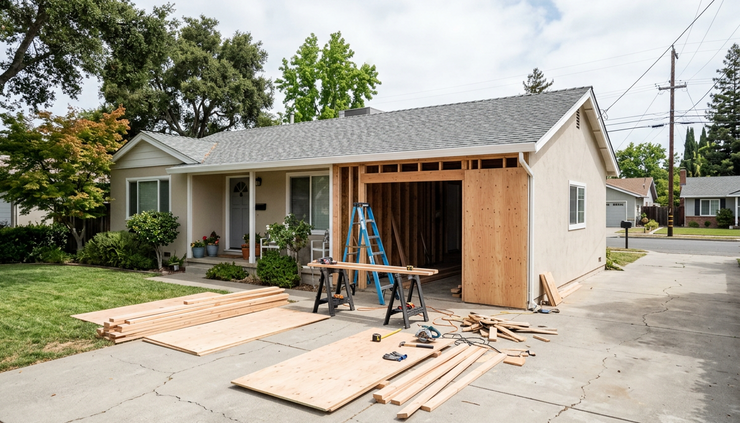
What unpermitted work means
Unpermitted work is construction, alteration, or installation work completed without the permits or inspections required by the local building department or other authority.
The word “unpermitted” can cover many situations. Some are minor. Others are serious. A homeowner may have skipped the permit process on purpose, misunderstood the rules, or inherited the issue from a previous owner.
Common examples include:
Garage conversions
Added bedrooms
Bathroom additions
Kitchen remodels that changed plumbing or electrical systems
Enclosed patios or porches
Converted basements
Attic conversions
Room additions
Decks or covered structures
Electrical panel upgrades
Plumbing changes
Structural wall removal
Unapproved accessory spaces
Not every improvement requires a permit. Painting, flooring, cabinet replacement, and similar cosmetic updates often do not require the same approvals as electrical, plumbing, structural, or square footage changes. The problem is that sellers may not know where the line is until a buyer, inspector, lender, appraiser, or local official starts asking questions.
A simple way to think about it is this: permits usually matter when the work affects safety, structure, occupancy, utilities, or legal living area.
Why unpermitted work can complicate a sale
Unpermitted work does not always stop a sale, but it can change how buyers and professionals view the property. The issue is rarely just the missing paperwork. The bigger concern is what the missing paperwork might mean.
Was the work done safely? Does it meet local code? Can the space legally be counted as living area? Will the city require corrections later? Will insurance cover a problem connected to the work?
Those questions can affect the price, timeline, financing, and negotiation.
Buyers may worry about future liability
A buyer who discovers unpermitted work may wonder whether they are taking on someone else’s problem. Even if the work looks fine, they may fear that the local building department could require inspections, corrections, or removal later.
For example, an enclosed porch might look like a useful sunroom. But if it was never approved, a buyer may question whether it was built with proper supports, insulation, electrical wiring, or egress. That uncertainty can lead to a lower offer or a request for repairs before closing.
Lenders may ask more questions
Many buyers use mortgage financing. Lenders often rely on appraisal reports, property records, and underwriting standards to decide whether to approve a loan.
If a home is listed as having more bedrooms or square footage than the public record shows, that mismatch can raise questions. A lender may ask for documentation, clarification, or a corrected appraisal. In some cases, unpermitted space may not be counted the same way as permitted living space.
That can affect the buyer’s loan approval or the appraised value.
Appraisers may treat the space differently
An appraiser generally looks at market value, property condition, comparable sales, and the legal characteristics of the home. If a finished basement, bedroom, or garage conversion lacks proper permits, the appraiser may be cautious about assigning full value to that space.
This does not mean the improvement has no value. A buyer may still find it useful. But the appraiser may not value it the same way as properly permitted living area.
That difference can matter if the buyer’s financing depends on the appraisal.

Disclosure matters when selling a house with unpermitted work
Disclosure is one of the most important parts of selling a property with known permit issues.
In many states, sellers must disclose known material facts about the property. That can include unpermitted additions, known defects, noncompliant systems, or conditions that may affect value or safety. The exact rules vary by state and sometimes by local area.
A seller should not knowingly misrepresent the property. That includes avoiding statements like:
“All work was permitted” if it was not
“The home has four legal bedrooms” if one bedroom may not meet legal requirements
“The square footage includes the converted garage” if public records do not support that
“Everything is up to code” without reliable confirmation
Being transparent can feel uncomfortable, but hiding known issues can create bigger problems later. A buyer who discovers permit problems after closing may feel misled. That can lead to disputes, demands, or legal claims.
A better approach is to gather what you know and present the property accurately. If the work was completed before you owned the home, say that clearly if true. If you have receipts, contractor information, drawings, photos, or inspection records, keep them organized.
Honest disclosure does not automatically kill a deal. Many buyers will still consider a property if they understand the situation and the price reflects the condition.
Do you have to fix unpermitted work before selling
Not always. Some sellers choose to address the issue before listing. Others sell the property as-is. The right path depends on the type of work, local rules, buyer expectations, time frame, and budget.
Here are the most common options.
Apply for retroactive permits
Some local building departments allow after-the-fact permits, sometimes called retroactive permits. This process may require plans, fees, inspections, and access to the completed work.
If the work meets current or applicable code, the department may approve it. If it does not, corrections may be required before approval.
This path can help with buyer confidence, but it can also take time. It may reveal problems that must be fixed. In some cases, walls, ceilings, or floors may need to be opened so inspectors can see framing, wiring, or plumbing.
Correct the work before listing
A seller may decide to hire licensed contractors to repair, replace, or bring the work closer to compliance before selling. This can make sense when the issue is likely to block financing or scare away most buyers.
For example, unsafe electrical work is different from a minor paperwork issue. A hazardous condition may need attention regardless of the sale.
The concern is cost. Once work begins, the scope can grow. What looks like a small correction may turn into a larger repair if the original construction was poor.
Adjust the listing and price
Some sellers choose to market the home as-is, disclose the unpermitted work, and price the property accordingly.
This approach may work when the seller does not want to spend money upfront or does not have time to wait for permits and repairs. The tradeoff is that some traditional buyers may hesitate. Others may ask for credits, repairs, or a lower price.
A seller should be careful with listing language. If a garage conversion is not legally recognized as living area, it may be better to describe it as a “converted garage space” rather than counting it as a legal bedroom or increasing the official square footage.
Sell to an investor or cash buyer
A direct sale to an experienced real estate investor can be another option. Investors often evaluate homes with repairs, title issues, code concerns, tenant challenges, outdated systems, or unpermitted improvements.
That does not mean every investor will buy every property. A serious buyer will still look at the condition, local requirements, resale value, and estimated repair costs. But investors are often more comfortable reviewing complicated properties than many traditional buyers.
For sellers who want a simpler sale, this may reduce the need to complete major corrections before closing.
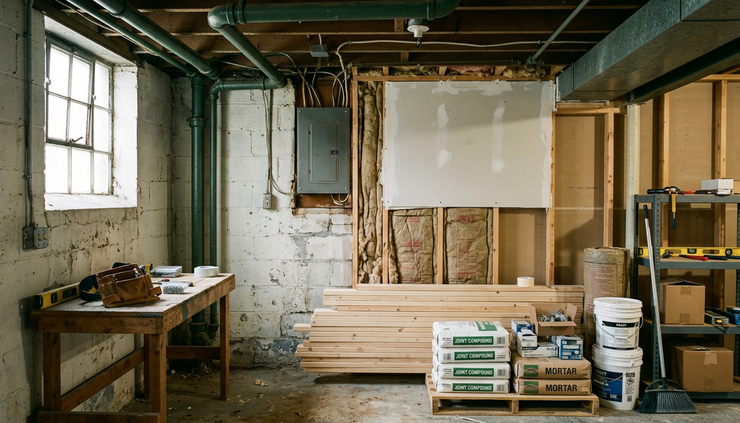
How permit issues affect value
Unpermitted improvements can add practical value, but they may not add full market value. The difference comes down to risk.
A buyer may like the extra room. But if that room cannot legally be counted as a bedroom, the buyer may not pay the same amount as they would for a permitted addition. A lender or appraiser may also limit how that space is treated in the valuation.
Several factors affect how much the issue matters:
The type of work completed
Whether electrical, plumbing, or structural systems were changed
The quality of the construction
Whether the work appears safe and functional
The local building department’s rules
Whether the space affects official square footage or bedroom count
The buyer’s financing method
The demand for similar homes in the area
The cost to correct or permit the work
A finished garage conversion is a good example. A buyer may love having an extra room. But if the garage conversion removed required parking, lacks proper heating, or does not meet local standards, it may create a value problem.
A bathroom addition can raise similar concerns. If plumbing was added without permits, buyers may worry about leaks, venting, drainage, water pressure, and future repair costs.
In many cases, the value question is not simply, “How much did the seller spend?” It is, “How much will a buyer pay after factoring in uncertainty?”
What to do before making a decision
Before spending thousands of dollars correcting unpermitted work, take a measured approach. Rushing into repairs without understanding the full picture can waste money.
Start by gathering records. Look for permits, contractor invoices, drawings, inspection documents, photos, and older listing descriptions. Sometimes homeowners assume work was unpermitted because they cannot find paperwork, but records may exist with the city or county.
Next, check public property records. Compare the official square footage, bedroom count, bathroom count, and property description to the current condition of the home. Mismatches are not always proof of a problem, but they can point to areas that need review.
It can also help to speak with:
A local real estate attorney
A knowledgeable real estate agent
A licensed contractor
The local building department
A direct buyer or investor who evaluates as-is homes
Be careful when contacting a building department if you are not prepared for possible consequences. In some areas, asking about unpermitted work may start a process that leads to inspections, notices, or required corrections. That does not mean you should avoid the issue. It means you should understand the possible outcomes first.
The goal is to compare your choices clearly. You may find that permitting the work makes sense. You may decide to correct only the most serious issues. Or you may decide that selling as-is is the best fit.
Why investors may still be interested
An unpermitted addition does not automatically make a property a bad investment. Experienced renovation investors evaluate risk as part of the buying process.
They may look at:
Current property condition
Estimated repair costs
Permit and code requirements
Comparable sales nearby
Potential resale value
Potential rental income
Time needed to complete repairs
Holding costs during renovation
The likely buyer pool after repairs
Investors are used to looking beyond surface-level problems. A property with an unpermitted garage conversion, outdated electrical work, or an unfinished addition may still have strong potential if the numbers make sense.
This can be helpful for sellers who do not want to manage contractors, wait for inspections, or negotiate with buyers who need traditional financing.
A direct sale is not the best choice for every homeowner. Some sellers may get more on the open market if they can permit or correct the work first. Others may prefer speed, certainty, and fewer repair demands.
The key is to compare the net outcome, not just the sale price. A higher list price may not help if the seller must pay for repairs, wait months, give credits, or face a failed buyer loan.

A practical path forward
If your home has unpermitted work, the best next step is to avoid guessing. Make a list of the improvements that may lack permits and separate them by seriousness.
Work that affects safety, structure, utilities, or legal occupancy deserves close attention. Cosmetic work is usually less concerning. A converted garage, added bathroom, enclosed porch, or basement living area should be reviewed more carefully than paint, flooring, or basic fixture changes.
From there, compare three routes:
Permit or correct the work
List the home as-is
Explore a direct investor sale
May support a traditional sale, but can take time and money.
May attract buyers, but could lead to price reductions, repair requests, or financing issues.
May reduce the need for upfront corrections, especially if the buyer is comfortable with renovation risk.
Jacobs & Jacobs Properties LLC evaluates residential, multifamily, commercial, and other investment properties, including properties with renovation and construction challenges. If your home has unpermitted work, deferred repairs, unusual additions, or other complications, it may still be worth a serious look.
You can tell Jacobs & Jacobs Properties LLC about your property today at https://www.howtosellmyhousefastforcash.com.

Unpermitted work can create real challenges, but it does not have to end your selling plans. The property may need disclosure, review, repair, pricing adjustments, or a different type of buyer. Before spending money on major corrections, understand your options and choose the path that fits your timeline, budget, and goals.
Even complicated properties deserve a second look.


Comments