

Can I Sell My Mobile Home With Land for Cash
Selling a mobile home with land is possible, and for the right property, a cash buyer may be very interested. The key is understanding what is actually being sold: the home, the land, the utility access, the location, and the future use of the property.
Manufactured homes and mobile homes are a major part of the housing market, especially in rural and suburban areas. They provide housing on private land, family land, acreage, infill lots, and small parcels that may not fit the standard image of a traditional neighborhood property.
That is also why selling one can feel different from selling a site-built house. Title issues, foundation type, zoning, age, repairs, and financing rules can all affect the sale. A buyer may look at the property as a home, a rental, a land investment, a redevelopment opportunity, or some mix of all three.
So, the short answer is yes. If the property has the right combination of land value, legal use, condition, and investment potential, a real estate investor may buy your mobile home and land for cash.
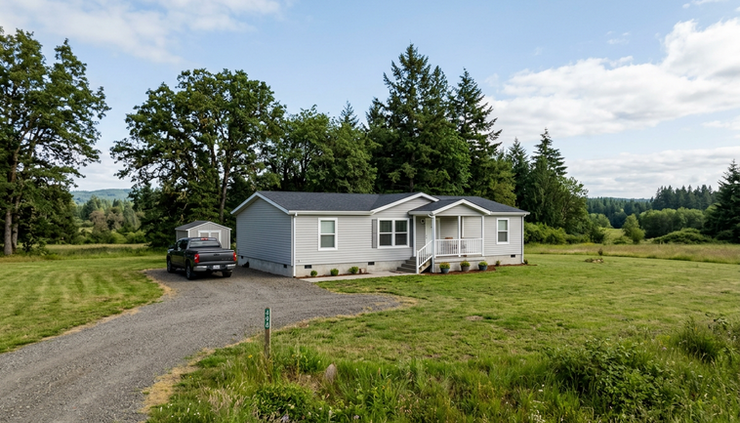
Investors may buy mobile homes with land when the opportunity makes sense
A common question is simple: “Will a real estate investor buy my mobile home and land?”
Some investors will. Others may pass. The difference usually comes down to whether the property fits their buying criteria.
A cash buyer is not only looking at the mobile home itself. They may also evaluate:
The size and usability of the land
The road access
The condition of the home
The utility connections
The zoning and permitted use
The local housing demand
The cost of repairs
The resale or rental potential
The status of the title
A mobile home on owned land is often more appealing than a mobile home in a park where the seller owns only the structure. Land gives the buyer more options. It may support continued residential use, future replacement of the home, rental income, or another allowed use under local rules.
That said, no two properties are exactly alike. A small lot with an older mobile home near town may interest one investor. A larger rural parcel with a damaged manufactured home may interest another. A buyer might see the value in the land even if the home needs major work.
The phrase Can I Sell My Mobile Home With Land for Cash brings up a practical question, not just a marketing idea. Cash sales happen, but the details matter. The buyer needs to understand what is included, what condition it is in, and whether the title and land records are clear enough to close.
This article is for general information only and is not legal, tax, or financial advice. Real estate rules, title requirements, and closing procedures vary by state and local area.
Mobile home sales can be different from traditional house sales
A site-built house is usually treated as real property along with the land under it. Mobile homes and manufactured homes can be more complicated because the home may have started as personal property, similar to a vehicle in how it was titled.
That does not mean the sale has to be difficult. It means the details need to be checked early.
Land ownership matters
The first question is whether the seller owns the land. If the home sits on leased land, rented land, or a mobile home park lot, the sale works differently. The buyer may need park approval, lease review, or other permissions.
When the mobile home sits on land the seller owns, the transaction may be closer to a regular real estate sale. Even then, the title status of the home still matters.
The home may or may not be permanently affixed
A manufactured home that is permanently attached to a foundation may be treated differently from one that can still be moved. Some states and counties have a process for converting a manufactured home from personal property to real property.
A buyer may ask questions such as:
Is the home on a permanent foundation?
Has the title been retired or surrendered?
Is the home assessed with the land?
Are there permits or records for the setup?
Are the HUD tags or data plate available?
Not every property will have perfect documentation. Investors who buy as-is properties are often used to sorting through these questions. Still, missing information can affect value, closing time, and buyer confidence.
Financing rules can be stricter
Traditional buyers often rely on lenders. Lenders may have rules about the age of the manufactured home, the foundation, the title, the property condition, and whether the home has been moved before.
That is one reason cash investors may be a useful option. A cash buyer does not have to satisfy the same lender requirements. They still need to do their own review, but they may have more flexibility than a buyer using conventional financing.
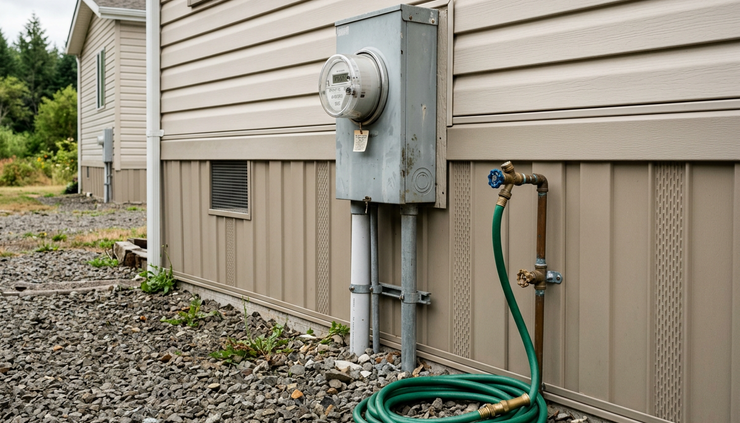
Repairs do not always stop a cash sale
A mobile home does not have to be perfect to attract investor interest. In many cash transactions, the buyer expects repairs. The real question is whether the cost of those repairs leaves enough value in the deal.
Investors may consider mobile homes that need:
Roof repairs
Flooring replacement
Kitchen updates
Bathroom renovations
HVAC work
Plumbing repairs
Electrical work
Skirting replacement
General cleanup
Interior remodeling
Some sellers worry that visible damage will make the property impossible to sell. Soft floors, outdated cabinets, old carpet, damaged siding, or nonworking HVAC can scare off retail buyers. An investor may look past those items if the land, location, and legal setup make sense.
That does not mean every repair-heavy property will receive a strong offer. Larger issues can reduce value. Fire damage, severe water intrusion, structural problems, or unsafe electrical conditions may require major investment. A buyer has to estimate those costs before making an offer.
The land may be the strongest part of the property
In some cases, the home is not the main attraction. The land may carry most of the value.
For example, a property may appeal to an investor if it has:
A usable lot
Existing septic or sewer access
Existing water service or a well
Electric service already in place
A driveway or road frontage
Room for replacement housing
A location with demand for affordable housing
Existing improvements can matter even if the mobile home needs work. Utility access alone can be valuable because new connections can be expensive, time-consuming, or limited by local rules.
If the home is too far gone, a buyer may still consider the property for the parcel, the hookups, and the possibility of placing another manufactured home there, if local zoning allows it.
Older mobile homes may still have investment value
Age matters, but it is not the only factor. An older mobile home on a valuable piece of land may be more attractive than a newer home in a weak location with uncertain title records.
Buyers often look at the full picture.
A mobile home from several decades ago may raise concerns about materials, code standards, roof condition, insulation, wiring, plumbing, and financing eligibility. Those concerns are real. Many lenders have age limits or stricter requirements for older manufactured homes.
Cash investors may still evaluate the property if there is a practical path forward.
They may ask:
Can the home be repaired and rented?
Can it be resold after improvements?
Can the land support another home?
Is the property located near jobs, schools, or services?
Are similar properties selling in the area?
Does zoning allow the current or intended use?
Age alone does not decide the answer. Location, land value, condition, title, and allowable use all matter.
A well-located older mobile home with land can offer affordable housing potential. A rough older home on a large rural lot may interest a buyer who understands land value. A property with clear records and working utilities may be easier to evaluate than one with unknown ownership history.
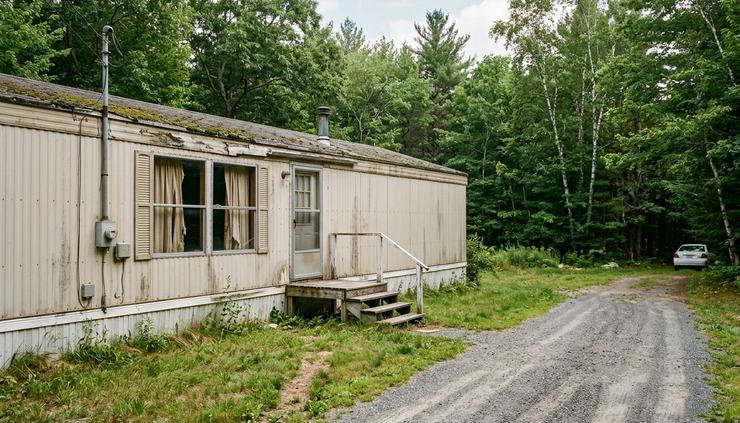
Selling directly to an investor can reduce common obstacles
A traditional sale can work well when the property is in good condition, the title is clean, and buyer financing is available. But some mobile homes with land do not fit neatly into that path.
A direct investor sale may offer a different route.
Depending on the property, buyer, and transaction, potential benefits may include:
An as-is purchase
Less cleaning and preparation
No need for major repairs before showing
Direct negotiation with the buyer
Flexible closing arrangements
Fewer financing complications
A simpler process for unusual properties
The words “cash sale” do not mean the seller should skip basic caution. A serious buyer should be willing to explain their process, review the property details, and use a proper closing method. In many cases, that means working with a title company, closing attorney, or other licensed settlement provider, depending on state practice.
What an investor may want to know
Before making an offer, an investor may ask for basic information about both the home and the land. Having these details ready can make the conversation easier.
Helpful information includes:
The property address or general location
Whether the land is owned
Approximate lot size
Year, make, and size of the mobile home, if known
Whether the home has a separate title
Whether the home is permanently attached
Current condition of the roof, floors, kitchen, bathrooms, and HVAC
Whether utilities are on and working
Any known liens, back taxes, or code issues
Whether anyone currently lives in the home
If some answers are unknown, that is normal. Many sellers inherit properties, manage distant family land, or own older homes with incomplete paperwork. The key is to be direct about what is known and what needs to be checked.
A clear sale starts with the right property information
Selling a mobile home with land for cash is not only about finding someone who says yes. It is about helping the buyer understand what is being offered.
Before reaching out, gather anything that can clarify ownership and condition. Useful documents may include a deed, tax statement, mobile home title, prior closing paperwork, survey, utility records, septic information, repair receipts, or inspection notes. Not every seller will have all of these. Even a few documents can help.
Photos can also help a buyer make a faster initial review. Include the front, back, sides, roofline, kitchen, bathrooms, floors, utility areas, foundation or supports, and the surrounding land. Clear photos reduce guesswork.
Be ready to talk about the property honestly. If the roof leaks, say so. If the floors are soft, mention it. If the home has been vacant, explain how long. Cash buyers who purchase as-is properties do not expect every home to be perfect, but they do need enough information to judge the opportunity.
Jacobs & Jacobs Properties LLC evaluates a wide range of real estate investments, including mobile homes with land. That includes properties that may not fit the standard retail market or may need repairs before they are ready for another owner.
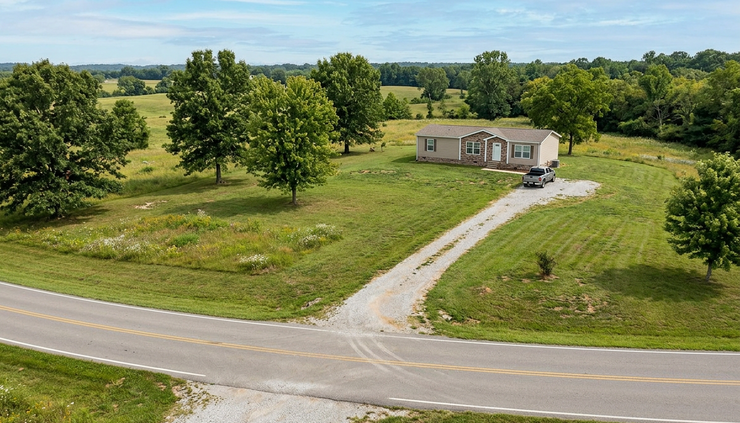
If you have a mobile home or manufactured home to sell, the next step is simple: share the home details, the land details, and the current condition. The property may be a better fit for an investor than it first appears.
To start the conversation, tell Jacobs & Jacobs Properties LLC about your mobile home with land.
A cash sale will not be right for every seller or every property. But if the home needs repairs, financing is difficult, the title situation is unusual, or the land is the main source of value, it is absolutely worth exploring. Your property may be exactly the type of opportunity an investor is looking for.


Comments