

Can I Sell My House With a Bad Roof
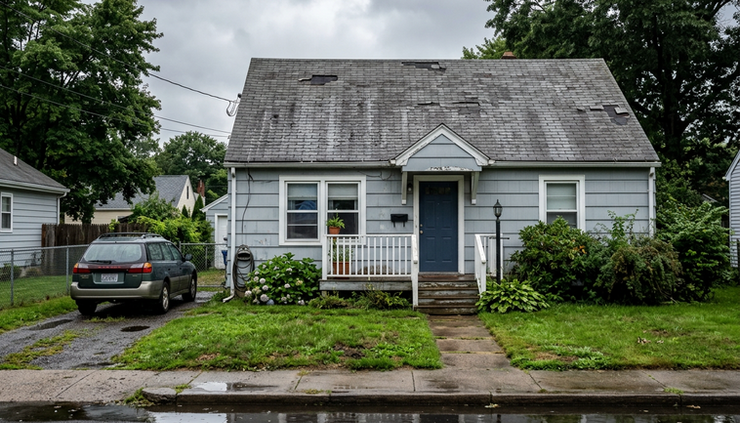
A leaking roof can make a home sale feel stuck before it even starts. Maybe shingles are missing after a storm. Maybe there are brown stains on the ceiling. Maybe a contractor has already told you the roof needs to be replaced, and the estimate was more than you wanted to spend.
That leads to the big question: Do you have to replace your roof before selling your house?
Not always.
A bad roof can make selling more complicated, but it does not automatically mean you are out of options. Some homeowners choose to repair the roof before listing. Others disclose the problem and sell the home as-is. Some choose to sell directly to a real estate investor who is comfortable taking on major repairs.
At Jacobs & Jacobs Properties LLC, we understand that not every seller wants to spend thousands of dollars fixing a property before moving on. If your house has roof damage, the right choice depends on your timeline, budget, property condition, and goals.
Why a bad roof can make selling harder
A roof problem is different from worn carpet or outdated cabinets. Buyers often see roof damage as a major expense and a possible sign of deeper problems inside the home.
A traditional buyer may wonder:
Is water getting into the attic?
Are there hidden mold or insulation issues?
Will the home pass inspection?
Will their lender approve the loan?
Can they get homeowners insurance?
How soon will they need to pay for a replacement?
Those questions can make buyers nervous, even if the rest of the house is in good shape.
Roof problems can include:
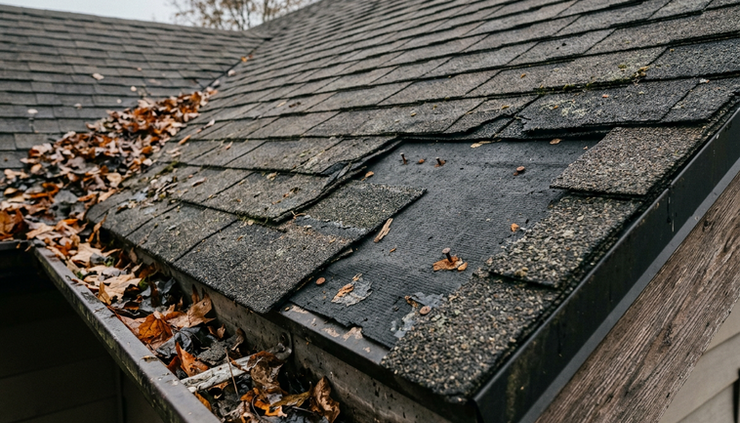
Missing or deteriorated shingles
Active leaks during rain
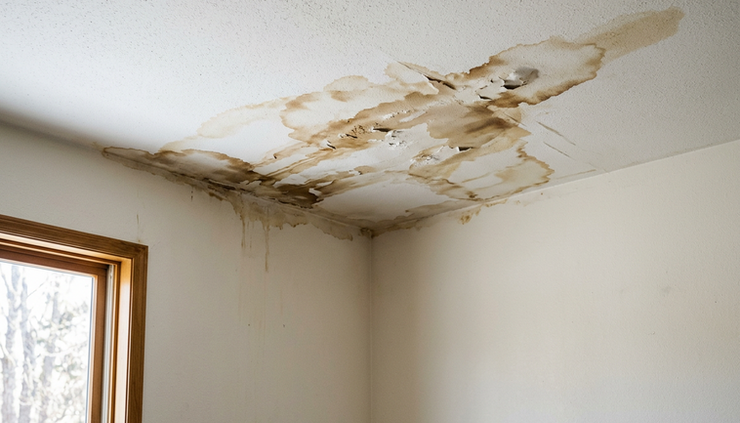
Water stains on ceilings or walls
Soft decking or structural deterioration
Storm, hail, or wind damage
Flashing issues around chimneys or vents
A roof near the end of its expected useful life
The severity matters. A few missing shingles may be easier to address than widespread leaks or sagging roof decking. Still, even a smaller issue can become a negotiation point once a buyer orders an inspection.
A damaged roof can also create financing problems. Many buyers rely on a mortgage. If the lender or insurance company sees the roof as too risky, the loan may be delayed or denied unless repairs are made before closing.
That is why the question is not just whether someone will buy the home. The question is whether the sale can actually make it to the closing table.
You have three main ways to sell a house with roof damage
If your home needs roof work, you usually have three practical paths. Each one has trade-offs.
Replace the roof before selling
You handle the repair before putting the house on the market.
This may attract more traditional buyers.
It requires money, time, and contractor coordination.
List the house as-is
You disclose the known issue and let buyers decide.
This may reduce your upfront cost.
Buyers may ask for credits, discounts, or repairs.
Sell to a real estate investor
You sell to a buyer who expects repairs.
This may avoid repair management.
The offer may reflect the cost and risk of repairs.
None of these options is automatically right or wrong. The best fit depends on your situation.
Option 1. Replace the roof before selling
Replacing the roof before listing can make the home easier to market. Buyers may feel more confident making an offer, and the property may have fewer inspection problems tied to the roof.
This option can make sense if:
You have the cash available
You have time to wait for estimates, permits, and installation
The home is otherwise in strong condition
The local market rewards move-in-ready homes
A new roof could help the home compete with similar listings
But roof replacement has a real downside. It requires money upfront. It can also expose other issues once the project begins. For example, a contractor may find damaged decking or ventilation problems that add to the cost.
A new roof may help the home sell, but it does not guarantee you will recover every dollar you spend.
Option 2. List the house as-is
Selling as-is means you are telling buyers that you do not plan to make repairs before closing. You still need to follow your state’s disclosure rules. Known defects, including leaks or roof damage, should be handled honestly.
An as-is listing can work, especially if the home is priced correctly. Some buyers are willing to take on repairs if they feel the price reflects the condition.
The challenge is that traditional buyers may still ask for concessions after inspections. Even if you list as-is, a buyer can request a price reduction, closing cost credit, or repair agreement. You can say no, but the buyer may walk away.
As-is sales can also attract bargain hunters. Some buyers will use the roof condition to push for a steep discount, even when the rest of the property has value.
Option 3. Sell directly to a real estate investor
Some investors specialize in homes that need repairs. That can include a Bad Roof, Sell House With Roof Damage, Sell As-Is, Roof Replacement, Cash Buyer, Fixer Upper, Distressed Property, Sell House Fast, Real Estate Investor, Jacobs & Jacobs Properties situation where the home may not be ideal for a traditional retail buyer.
A real estate investor usually looks at the property differently. Instead of focusing only on cosmetic issues, they evaluate the home’s location, condition, market value, repair scope, and investment potential.
Selling to an investor may make sense if:
You do not want to pay for a new roof
The home has other repairs besides the roof
You need a simpler sale
You inherited the property and do not want to manage renovations
You are dealing with storm damage or deferred maintenance
You want an opinion before spending money on repairs
An investor offer will usually factor in the cost of roof repairs. Still, this route can save you from hiring contractors, managing the job, or waiting for a retail buyer’s lender to approve the property.
Should you repair the roof before selling?
Before you agree to a roof replacement, look at the numbers carefully.
A repair that costs thousands of dollars does not always increase your net proceeds by the same amount. Net proceeds are what you actually walk away with after the sale, not just the final sale price.
For example, replacing the roof might help you sell for more. But you also need to account for:
The roof estimate
Possible decking or structural add-ons
Permit or inspection costs
Time off the market during repairs
Holding costs, such as taxes, utilities, and insurance
The chance that other repairs will come up during the sale
The right question is not, “Will a new roof make the house look better?” Of course it can.
The better question is: Will replacing the roof improve my final outcome enough to justify the cost, time, and risk?
There are times when repairing first makes sense. If the house is otherwise updated, located in a competitive neighborhood, and likely to attract financed buyers, a new roof may help prevent delays.
There are also times when repairing first may not be the best move. If the house needs major updates, has foundation concerns, has outdated systems, or requires a full renovation, the roof may be only one part of a larger project. In that case, a retail buyer may still ask for a large discount even after you replace it.
That is why it can help to get more than one perspective before spending money.
A bad roof is a serious issue, but it is not the same thing as an unsellable house.
This article is for general informational purposes only. Real estate laws, disclosure rules, insurance requirements, and financing standards can vary by state and situation. For legal or tax questions, speak with a qualified professional in your area.
What buyers and lenders may look for
A roof problem can affect different parts of the sale. Understanding those pressure points can help you choose a better strategy.
The buyer may focus on cost and risk
Most buyers do not want surprise expenses right after moving in. If they see water damage or missing shingles, they may assume the repair will be expensive. Even if the issue is smaller than it looks, fear can affect the offer.
Buyers may also worry about what they cannot see. A ceiling stain may lead them to ask whether there is attic damage, mold, damaged insulation, or electrical risk. The more uncertainty there is, the more likely they are to ask for a discount.
The inspector may document the condition
A home inspector will usually note visible roof damage, leaks, roof age concerns, drainage issues, and interior water stains. The inspection report can give buyers more reasons to renegotiate.
Inspection issues do not always kill a sale. But they can slow down the process and create another round of negotiations.
The lender may require repairs
Some loan programs have property condition standards. If the roof is actively leaking or considered unsafe, the lender may require repairs before closing.
This can create a timing problem. The buyer may want the house. You may want to sell. But the lender may not approve the loan until the roof issue is handled.
The insurance company may have concerns
A buyer typically needs homeowners insurance to close on a financed purchase. If an insurer views the roof as too old or too damaged, coverage may be denied or limited. That can also delay or stop a traditional sale.
This is one reason homeowners sometimes look for cash buyers or investors when the property has serious repair needs.
How Jacobs & Jacobs Properties LLC evaluates homes with roof problems
Jacobs & Jacobs Properties LLC does not look only at surface-level issues. A house with an older roof, missing shingles, or visible water damage may still have investment potential.
When evaluating a property, key factors often include:
Location and neighborhood demand
Overall property condition
Estimated after-repair value
Roofing repair or replacement needs
Other major repairs
Market conditions
Timeline and seller goals
Investment potential
That bigger-picture view matters. A traditional buyer may see a bad roof and stop there. An investor may look at the roof as one repair within the full property plan.
If you are searching for ways to sell house with bad roof issues, getting an investor’s perspective can help you compare your choices before making a costly decision.
Get an investor’s perspective before spending money
If a contractor has recommended a replacement, do not assume that paying for a new roof is your only path forward. It may be the right choice, but it is not the only choice.
You may be able to:
Replace the roof and list traditionally
Sell the property as-is on the open market
Sell directly to an investor who can handle the repairs after closing
The best next step is to compare your likely net proceeds, not just the possible sale price. Think about how much cash you would need upfront, how long the process may take, and what risks could come up before closing.
Jacobs & Jacobs Properties LLC can review the property’s condition and help you understand whether an investor sale may be a practical option. Your house does not need to be perfect to have investment potential.
If you want to explore your options before spending money on a roof replacement, contact Jacobs & Jacobs Properties LLC at howtosellmyhousefastforcash.com.
A bad roof may change how you sell, but it does not mean you cannot sell. The smart move is to understand all your options before you write a large repair check.


Comments