

Can I Sell My Duplex or Apartment Building Directly to an Investor?
Owning a rental building can be a solid investment, but it can also become a full-time job. Repairs stack up. Tenants move out. Insurance, taxes, utilities, and contractor costs rise. At some point, the question changes from “How do I keep managing this property?” to “Can I sell the whole building and move on?”
Yes, you can sell a duplex, triplex, fourplex, apartment building, or even a larger rental portfolio directly to an investor. You do not always have to list the property publicly, host showings, or market it to the general buyer pool.
Many real estate investors actively look for income-producing properties. They are not only searching for single-family houses. Some prefer multifamily properties because the value is tied to rental income, occupancy, condition, and future potential.
A direct sale can make sense when the property is occupied, vacant, outdated, underperforming, or simply no longer part of your plans.

Multifamily owners sell for many different reasons
A rental building may look simple from the outside, but owners know how much work can sit behind the rent roll. Even a small building can come with maintenance issues, lease questions, tenant concerns, and long-term planning decisions.
Some owners decide to sell because the property no longer fits their life. Others sell because the numbers no longer work. A few are ready to retire from property management entirely.
Common reasons multifamily owners consider selling include:
Rising maintenance expenses
Major capital improvements
Changing investment goals
Retirement
Portfolio liquidation
Property management fatigue
Tenant turnover
Vacant units
Code issues or deferred maintenance
A desire to reinvest elsewhere
Partnership changes
Estate or family planning needs
The reason does not have to be dramatic. Sometimes an owner has simply reached the point where selling is a better choice than continuing to manage the building.
A roof replacement, plumbing repairs, electrical updates, driveway work, siding repairs, or unit renovations can change the outlook quickly. What once felt like steady cash flow may begin to feel like a series of expensive decisions.
For owners with several rentals, the issue may be time. Managing one duplex is very different from managing several properties across different locations. Portfolio owners sometimes choose to sell one building, several buildings, or the entire portfolio to simplify their finances.
A direct investor sale can be especially useful when the property does not fit the typical retail listing approach. For example, a building with tenants, access limitations, repairs, or incomplete records may be harder to show publicly but still valuable to the right buyer.
Investors look at the building as an income property
An investor views multifamily real estate differently than a traditional homebuyer. A person buying a primary residence may focus on layout, finishes, paint colors, school zones, and emotional appeal. An investor usually starts with performance.
That does not mean condition and appearance do not matter. They do. But the core question is usually simple:
Can this property produce an acceptable return based on the purchase price, income, expenses, repairs, and risk?
When evaluating a duplex, triplex, fourplex, or apartment building, investors commonly review several key areas.
Rental income
The first question is how much money the property generates. This may include current rent, market rent, laundry income, parking income, storage income, pet fees, utility reimbursements, or other income tied to the property.
Investors often compare current rents with nearby rental rates. If the units are rented below market, that may show room for improvement. If the rents are already high, the investor may look more closely at tenant quality, lease terms, and whether the income is stable.
Helpful documents may include:
Current rent roll
Lease agreements
Security deposit records
Payment history
Details on vacant units
Notes on rent increases or lease expirations
Not every owner has perfect records. That does not always stop a sale, but clear information can help an investor evaluate the property faster.
Operating expenses
Income is only one side of the equation. Investors also want to know what it costs to operate the building.
Typical expenses may include:
Property taxes
Insurance
Repairs and maintenance
Water, sewer, gas, electric, or trash service
Lawn care and snow removal
Property management
Pest control
Licenses, registrations, or local fees
Common area utilities
Turnover costs
A building with strong rent can still perform poorly if expenses are high. For example, an older property with frequent plumbing issues, outdated heating systems, or high water bills may need a different offer than a building with newer systems and lower ongoing costs.
Property condition
Condition matters because repairs affect both risk and return. An investor may look at the roof, foundation, electrical system, plumbing, heating and cooling, windows, common areas, parking, kitchens, baths, flooring, and exterior surfaces.
The investor may also consider whether units need cosmetic updates or deeper renovations. There is a big difference between fresh paint and replacing major building systems.
A property does not need to be perfect to attract investors. In fact, some buyers specifically look for buildings they can improve. The key is whether the purchase price makes sense based on the likely work needed.

Location and rental demand
Location affects rent, vacancy, tenant demand, future value, and resale options. Investors may study the neighborhood, nearby employment, transportation access, local rental demand, property condition on the surrounding block, and comparable rental properties.
A building in a high-demand rental area may receive strong interest even if it needs work. A building in a slower market may still sell, but the investor may be more conservative.
Since the service area is nationwide, the details can vary widely. A duplex in a small town, a fourplex near a university, and a mid-size apartment building near a major employment center will not be analyzed in exactly the same way. Still, investors usually look for the same basic answer: whether tenants want to live there and whether the numbers support the purchase.
Investment potential
Some buildings are attractive because they already perform well. Others are attractive because they have room to improve.
Investment potential may come from:
Below-market rents
Vacant units that can be renovated
Unused storage or parking income
Better expense control
Cosmetic upgrades
Improved management
Long-term appreciation potential
Combining the property with other nearby assets
An investor may see a path that the current owner does not want to pursue. That can create an exit opportunity for the seller and a future project for the buyer.
Occupancy does not have to be perfect
Many owners assume all units must be occupied before they can sell. That is not always true.
Investors may consider:
Fully occupied buildings
Partially occupied buildings
Completely vacant buildings
Buildings with month-to-month tenants
Buildings with long-term leases
Buildings with problem vacancies
Properties needing full repositioning
Occupancy simply changes the analysis.
A fully occupied building may show immediate income, but the buyer will still review rents, leases, expenses, tenant history, and property condition. If the rents are below market or the leases contain unusual terms, the buyer will factor that into the offer.
A partially vacant building may appeal to an investor who wants the chance to renovate units, place new tenants, and adjust rents over time. Vacancy can reduce current income, but it can also give the buyer more flexibility.
A fully vacant building may still have value, especially if the location is strong and the units can be repaired or updated. The investor will likely focus on renovation costs, market rent, time to lease, carrying costs, and risk.
Tenant situations can also affect sale strategy. Some owners prefer a private sale because they do not want “For Sale” signs, repeated showings, or public marketing to create concern among tenants. A direct buyer who understands rental properties may be able to work with reasonable access limitations and tenant communication needs.
That does not mean every tenant issue is easy. Unpaid rent, lease disputes, unauthorized occupants, or difficult access can complicate a sale. Still, those issues do not automatically rule out an investor purchase.

Renovation needs may still fit an investor sale
A property that needs repairs can feel hard to sell through a traditional listing. Public buyers may focus on visible problems. Lenders may raise condition concerns. Tenants may make showings difficult. The owner may not want to spend more money preparing the building for market.
Investors are often more comfortable with imperfect properties. Some are set up to handle renovations, repositioning, and management changes after closing.
That can include buildings with:
Outdated kitchens and bathrooms
Old flooring or worn interiors
Roof issues
Plumbing or electrical concerns
Foundation or structural questions
Fire or water damage
Deferred exterior maintenance
Vacant or unfinished units
Code violations or municipal concerns
Poor records or underperforming operations
The condition still matters. A building needing extensive work will usually be priced differently than a well-maintained property with stable tenants. The benefit of speaking with an investor is that the conversation can focus on the real condition of the building rather than trying to make it look perfect for public marketing.
For example, an owner with a fourplex may not want to renovate each unit before selling. A buyer may prefer to purchase the property as-is, complete the work after closing, and manage the renovations according to their own plan.
The same can apply to an apartment building with aging systems. If the roof, boilers, or plumbing stacks need attention, the seller may not want to coordinate major capital improvements before exiting. An investor may account for those future costs in the offer.
A direct sale is not automatically the right answer for every owner. Some properties may perform well on the open market. Others may benefit from a broker-led process. The best path depends on the building, the seller’s goals, timing, tenant situation, and desired level of privacy.
This article is for general information only and is not legal, tax, or financial advice. Owners should speak with qualified professionals about their specific situation before making a sale decision.
An off-market sale can reduce public exposure
Selling a multifamily property publicly can work well in many cases. It can also create challenges.
A public listing may involve photos, online exposure, signs, buyer traffic, tenant coordination, repeated access requests, and questions from neighbors or vendors. For some owners, that is acceptable. For others, privacy matters.
An off-market sale can offer a different path. The owner can discuss the property directly with a buyer, share key information privately, and decide whether the proposed terms make sense before moving further.
A private process may be helpful when:
The owner wants discretion
The building has tenants in place
The property needs repairs
The owner does not want repeated public showings
The sale involves multiple properties
Timing matters
The owner wants to avoid preparing the building for retail presentation
The property has management or vacancy issues
Direct does not mean careless. A serious investor will still want to understand the property. That may include a walkthrough, document review, tenant information, income and expense details, title review, and standard closing steps.
The difference is that the process may be more focused. Instead of attracting buyers who may not understand rental property operations, the conversation starts with someone looking at the building as an investment.
For sellers, the most useful first step is to gather the basics:
Information | Why it helps |
Rent roll | Shows current income and occupancy |
Lease copies | Confirms terms, deposits, and expiration dates |
Expense records | Helps estimate operating costs |
Utility responsibility | Clarifies what tenants pay and what the owner pays |
Repair history | Shows recent work and future needs |
Photos or access notes | Helps the buyer understand condition |
Mortgage or payoff details | Helps estimate the closing picture |
The records do not need to be perfect before starting a conversation. Still, the more accurate the information, the easier it is for a buyer to make a realistic offer.
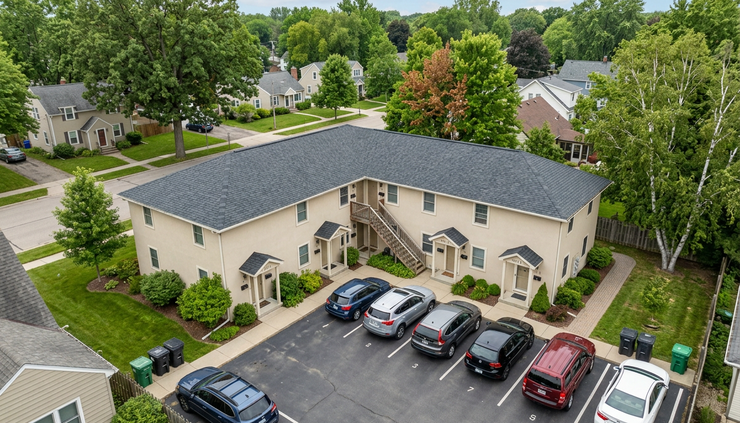
Jacobs & Jacobs Properties LLC wants to hear from multifamily owners
Jacobs & Jacobs Properties LLC is interested in opportunities involving duplexes, triplexes, fourplexes, small multifamily properties, apartment buildings, and larger real estate investments.
That includes one property or an entire portfolio. A building does not have to be fully occupied, newly renovated, or ready for public listing to start a conversation.
If you own an income-producing property and are thinking about selling, a direct sale may give you a private way to explore your options. The property might be stable and fully rented. It might need work. It might have vacant units, management challenges, or capital improvements on the horizon.
The main question is whether the opportunity makes sense for both sides.
To start the conversation, visit Jacobs & Jacobs Properties LLC.
Selling a multifamily building is different from selling a single-family home. The numbers, tenants, leases, expenses, and future potential all matter. A direct investor sale can be a practical option when you want a focused discussion with a buyer who understands rental real estate.
One duplex, one apartment building, or an entire portfolio can all be worth discussing.


Comments