

Can I Sell a Hoarder House As Is and Skip the Cleanout
A house packed with belongings can make a sale feel impossible before it even starts. Every room raises another question. What can be thrown away? What needs to be saved? Who is going to haul it all out? How much will it cost?
Here is the good news: you do not always have to clean out a hoarder house before exploring a sale.
Some real estate investors buy properties in their current condition, including houses with unwanted belongings, clutter, debris, and repairs that have not been handled. That does not mean every buyer will be the right fit, and it does not mean the condition will not affect the offer. It does mean you may have options before spending weeks, or thousands of dollars, on a cleanout.
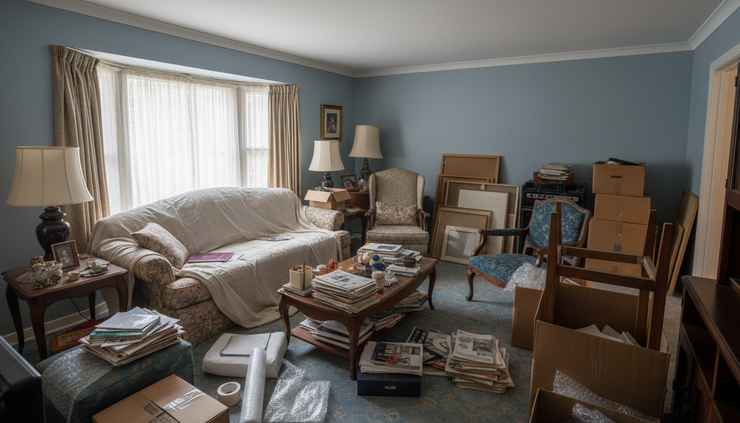
You may be able to sell before cleaning everything out
Many traditional buyers want a home that looks clean, open, and easy to imagine living in. They may expect clear floors, visible walls, accessible closets, and cleaned-out rooms. Lenders, inspectors, and insurance requirements can also make cluttered properties harder to sell through a typical retail listing.
An investor buyer may look at the property differently.
Instead of asking whether the house is photo-ready, an investor may focus on questions like:
What is the property worth after cleanup and repairs?
How much work will the cleanout require?
What repairs are likely needed?
Can crews safely access the house?
Does the property fit the buyer’s budget and plan?
That difference matters. If the house is full of belongings, an investor may still be willing to evaluate it as it stands. In some cases, the seller can leave unwanted items behind and avoid organizing the entire cleanout alone.
This is why people often ask whether they can sell hoarder house as-is instead of taking on the whole process first. The answer can be yes, depending on the property, the buyer, and the offer terms.
An as-is sale usually means the buyer understands the property is not being delivered in perfect condition. The offer may account for cleanout costs, repair costs, risk, and time. The tradeoff is simple: the seller may accept a lower price than a cleaned and repaired retail sale, but may also avoid major expenses and stress.
Why hoarder house cleanouts become so overwhelming
A cleanout can sound simple from the outside. Remove the unwanted items, sweep up, and move on. In real life, a large cleanout can become a major project.
A packed house may require:
Dumpsters
Junk removal crews
Storage units
Cleaning services
Multiple weekends of work
Transportation
Protective gear
Significant physical labor
That list grows when family members disagree about what to keep, when the property is out of town, or when the homeowner has passed away. Inherited properties often come with emotional weight. Sorting through belongings is not only a physical job. It can also be slow and draining.
There may also be safety concerns. Heavy stacks of boxes can shift. Floors may be hard to see. Mold, pests, broken glass, spoiled food, or damaged ceilings may create hazards. In some properties, even getting from one room to another takes time.
A cleanout can also reveal more work. Once belongings are removed, sellers may find damaged flooring, wall stains, plumbing leaks, or areas that need repair. That means the cleanout is only the first step, not the finish line.
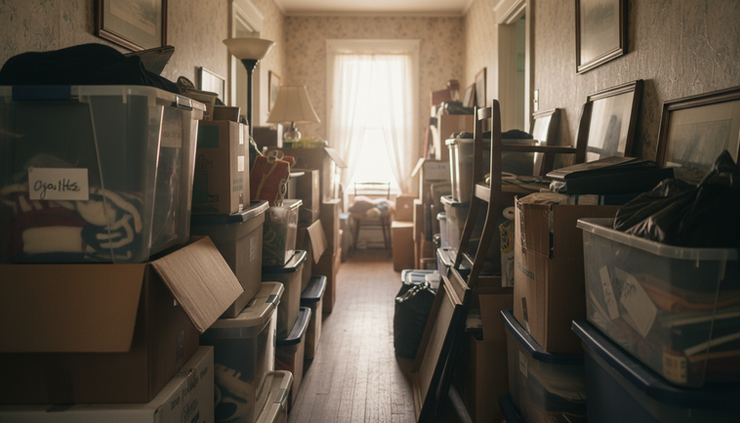
The real question is what the cleanout changes financially
Before spending money on dumpsters, crews, storage, or repairs, step back and look at the numbers. The question is not only whether the house would look better cleaned out. It almost certainly would. The question is whether cleaning it out changes your net proceeds enough to justify the cost, time, and effort.
Think in terms of the final amount left after expenses.
A cleaned-out property might sell for more than a cluttered property. But getting there can cost money. It can also require weeks of labor and coordination. If the added sale price is not much higher than the cost of the cleanout, the benefit may be smaller than expected.
Here is a simple way to compare the two paths.
Selling path | What you handle | What may affect your result |
Clean out first, then sell | Arrange labor, dumpsters, hauling, cleaning, and possibly minor repairs | Higher buyer appeal, but more upfront cost and delay |
Sell as is | Show the property in its current condition and let the buyer price in the work | Lower offer may be possible, but fewer seller tasks before closing |
The best path depends on the condition of the property and your goals.
If the house is only mildly cluttered and you have local help, a cleanout may make sense. If the home is packed, damaged, inherited, or far away, selling as is may be worth exploring before you spend money.
Time has value too. A month of weekends, rental trucks, emotional decisions, and physical labor is a real cost. So is the stress of managing a property that may be vacant, aging, or expensive to keep.
Carrying costs can add up while the house sits. These may include utilities, insurance, property taxes, lawn care, code issues, and basic security concerns. Even if each item seems manageable, the total can become frustrating over time.
That is why an early as-is evaluation can be useful. It gives you a number to compare against the cleanup path. You are not committing to sell just by asking what the house may be worth in its present condition.
Repairs often come with the cleanout
Homes that need major cleanouts often need repairs too. This is not always the case, but it is common. When rooms are packed for years, maintenance can be delayed or hidden. Small problems become bigger because no one can easily access them.
Investor buyers may consider properties with issues such as:
Outdated kitchens
Damaged flooring
Deferred maintenance
Roof problems
Plumbing issues
Damaged drywall
Extensive cosmetic problems
These repairs matter because they affect what happens after the cleanout. A house may look more open once belongings are removed, but buyers may still notice old carpet, damaged cabinets, stains, broken fixtures, or water damage.
Traditional buyers often expect repairs to be done before closing, or they may ask for credits after an inspection. Some buyers may back out if the home needs too much work. A lender may also have property condition standards, especially if the buyer is using certain loan types.
An investor is usually looking at the whole project. Cleanout, repairs, resale, rental potential, holding costs, and risk all go into the offer. That can create a more direct path for sellers who do not want to manage contractors or keep investing in a property they are ready to let go.
This does not mean an investor offer is always the highest possible price. A retail buyer may pay more if the property is cleaned, repaired, staged, and marketed. But that route asks more of the seller. The right choice depends on how much time, money, and energy you want to put in before the sale.
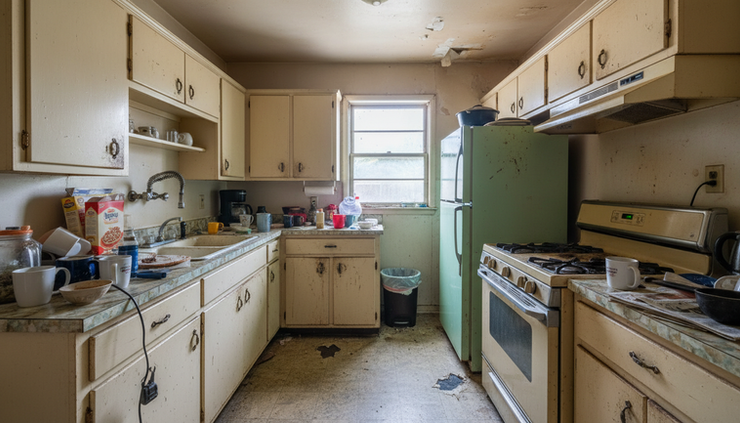
Start with the property exactly as it is
One of the most common mistakes sellers make is assuming they must improve the property before speaking with a buyer.
They rent a dumpster first. They start sorting the garage. They pay for junk removal. They spend money on cleaning. Then, after all that work, they contact a buyer and learn the offer may not have changed enough to make the effort worthwhile.
A better first step is often simple: show the property as it is.
That may feel uncomfortable. Many sellers feel embarrassed by the condition of a hoarder house, especially if the property belonged to a family member. A serious as-is buyer should be focused on the property and the project, not on judging the situation.
You can usually start with basic information:
The property address or general location
The type of house
Whether it is occupied or vacant
Photos or a video walkthrough, if safe
Known repair issues
Whether belongings will be removed or left behind
Your ideal timeline
If it is not safe to walk through the home, say so. No sale is worth getting hurt. Photos from doorways, exterior shots, or a limited walkthrough may still help a buyer understand the condition. If access is restricted, be clear about that up front.
A buyer evaluating the home as-is may ask follow-up questions. They may want to see the basement, attic, garage, yard, or mechanical systems if accessible. The more accurate the information, the easier it is to discuss a realistic offer.
You do not need to make the house look perfect before that conversation. The purpose of an as-is evaluation is to understand the property in its present condition.
What to expect from an as-is investor sale
An as-is sale is usually more straightforward than a retail sale, but it still helps to know what may happen.
The process often begins with a short conversation about the property. After that, the buyer may review photos, schedule a visit, or ask for more details. If the property fits what they buy, they may make an offer based on the current condition.
The offer should clearly explain what is included. For example, it should address whether unwanted belongings can remain in the house. Do not assume every item can be left unless the agreement says so.
A clear agreement may cover:
Purchase price
Closing timeline
Whether the sale is truly as-is
What personal property stays
Whether the buyer handles the cleanout
Any inspection or access terms
Closing costs or fees, if any
If there are valuable documents, family items, jewelry, firearms, medication, financial records, or sentimental belongings, remove them before closing if possible. Even when a buyer agrees to handle the cleanout, sellers should take time to secure important items.
If the property is inherited, there may be title or probate steps before a sale can close. These rules vary by state and situation. This article is general information only and is not legal or financial advice. When ownership, estate, lien, or tax questions come up, speak with a qualified local professional.
When selling as is may make sense
Selling a hoarder house as is may be worth considering when the cleanup feels larger than the likely reward.
It may make sense if:
The property is inherited and family members live far away
The home has years of accumulated belongings
The cleanout would require paid crews
Repairs are needed after the cleanout
The property has code, safety, or access concerns
You need a simpler sale timeline
You do not want to manage contractors
You want to compare options before spending money
It may not be the right fit if the home is in good condition under the clutter, you have affordable help, and you are willing to prepare it for a traditional sale. In that case, cleaning and listing may produce a stronger final result.
The key is to compare real options, not guesses.
Get a sense of what the property might bring as-is. Then compare that with the likely net from cleaning, repairing, and listing. Include costs, delays, and your own time. The best decision is the one that makes sense after the full picture is clear.
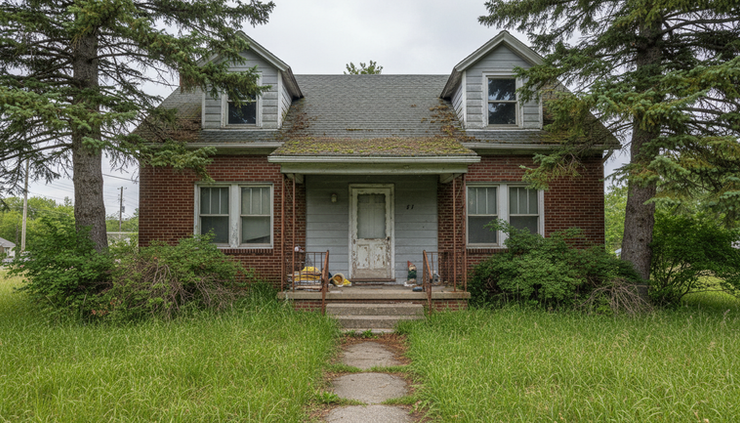
You can ask before you clean
A hoarder house can feel like a problem that must be solved before anyone will even look at it. That is not always true. Some buyers are willing to evaluate the home in its current condition, including belongings, clutter, repairs, and deferred maintenance.
Before renting dumpsters or spending weekends sorting room by room, find out whether an as-is sale is a realistic option. You may still choose to clean out the property. But you will make that decision with better information.
Jacobs & Jacobs Properties LLC can evaluate the property based on its present condition. You do not have to guess what the house might be worth after a cleanout, and you do not have to spend money before starting the conversation.
If you want to know what your options look like, tell Jacobs & Jacobs Properties LLC about your property.
A packed house does not have to stop the sale process. Start with what is true right now, then decide whether cleaning, repairing, listing, or selling as-is gives you the best path forward.


Comments